Physical Address
304 North Cardinal St.
Dorchester Center, MA 02124
Physical Address
304 North Cardinal St.
Dorchester Center, MA 02124


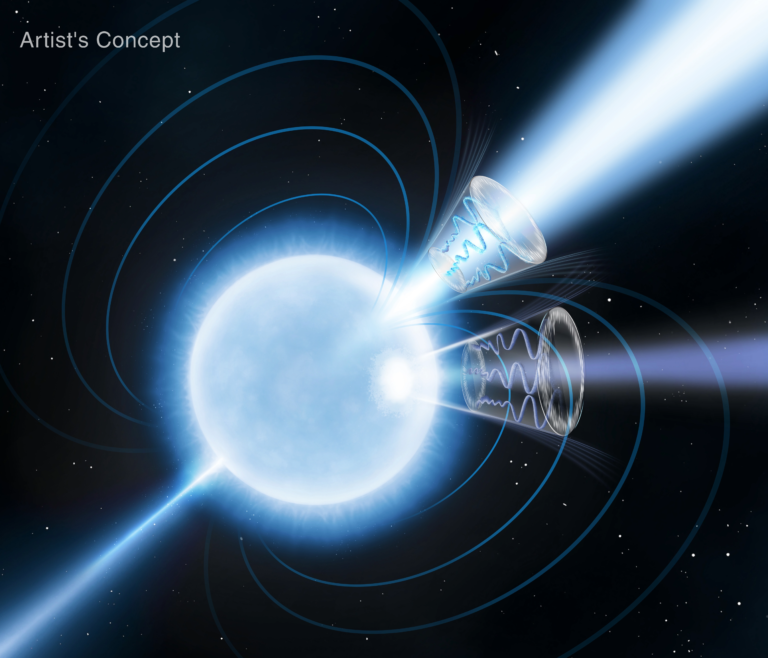
NASA's IXPE and NICER measured X-ray polarization nearly three times higher than similar magnetars, offering astronomers the most definitive evidence yet for a 90-year-old quantum prediction.
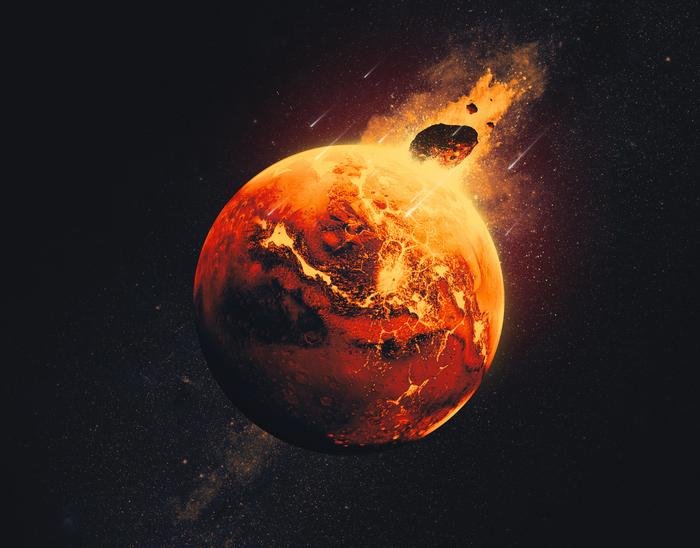
Boston College researchers determined that Martian meteorite Northwest Africa 13441 crystallized 1.273 billion years ago, filling a long-standing gap in the shergottite meteorite age record.
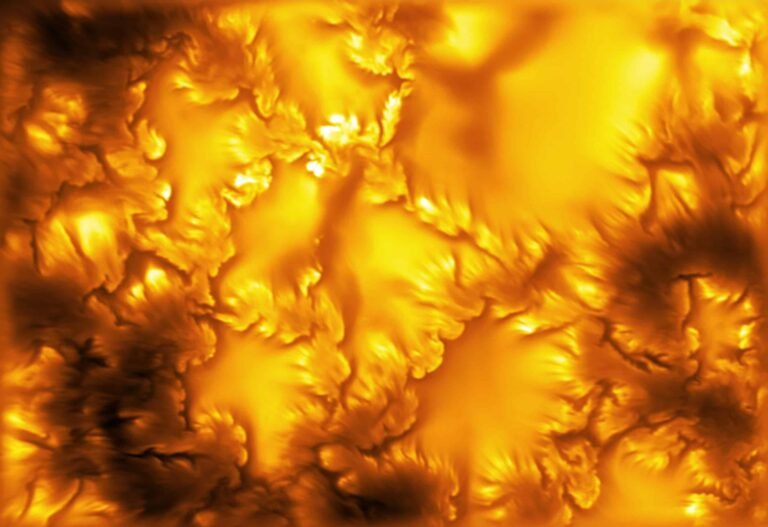
The NSF Daniel K. Inouye Solar Telescope has captured direct observational evidence of Kelvin-Helmholtz instability on the Sun's photosphere, confirming a process theorized since 1870.
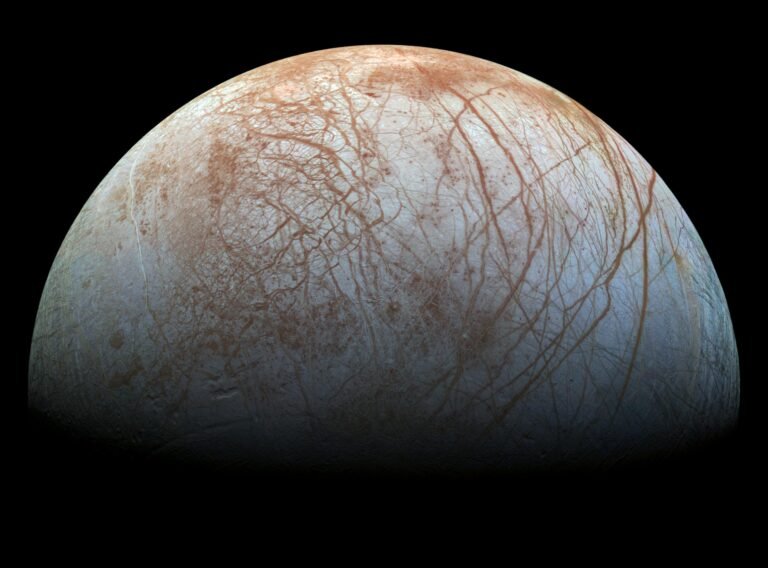
Rutgers-led simulations show turbulence would freeze water rising through Europa's ice shell within hours, complicating the search for shallow, potentially habitable reservoirs near the surface.
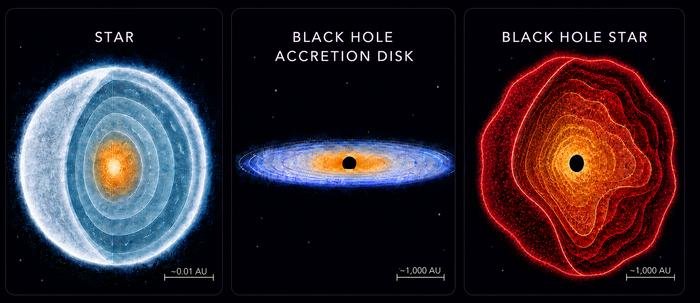
An international team led by ISTA and University of Hawaii astronomers used JWST spectra to identify MoM-BH*-1, a black hole star radiating just 660 million years after the Big Bang.
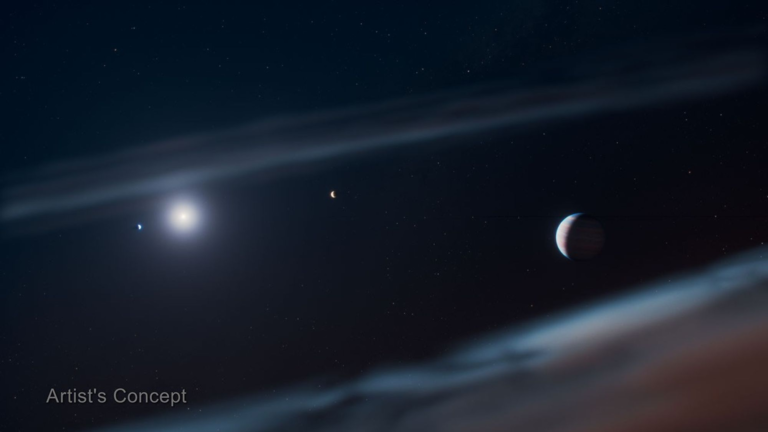
NASA’s James Webb Space Telescope has identified a third giant planet in the Beta Pictoris system, one of the most closely studied planetary systems in the galaxy. Designated Beta Pictoris d, the exoplanet is at least twice the mass of…
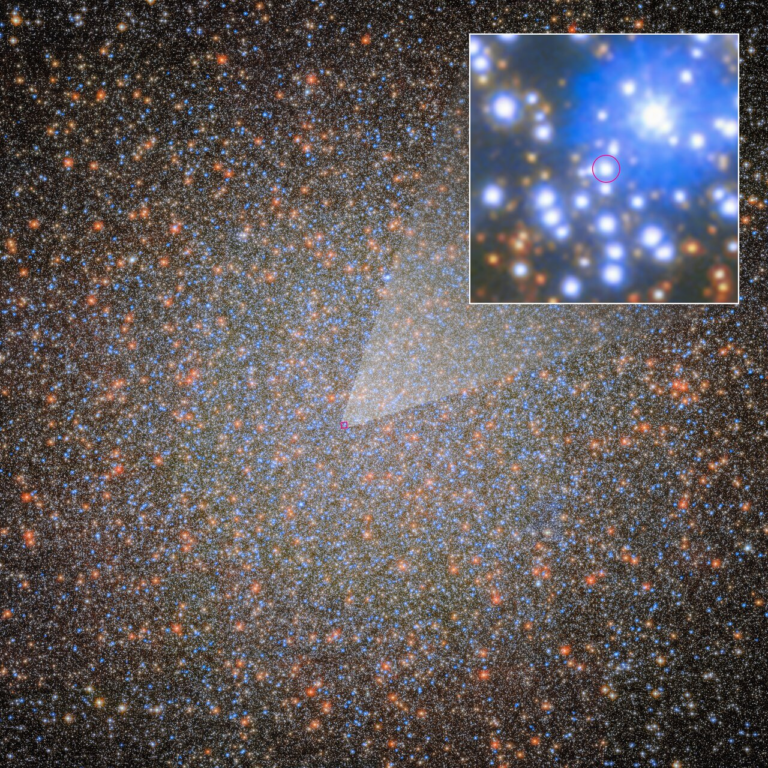
Astronomers have detected the first stellar-mass black hole within Omega Centauri, the Milky Way’s largest globular cluster, using more than two decades of archival data from the Hubble Space Telescope combined with near-infrared observations from the James Webb Space Telescope.…
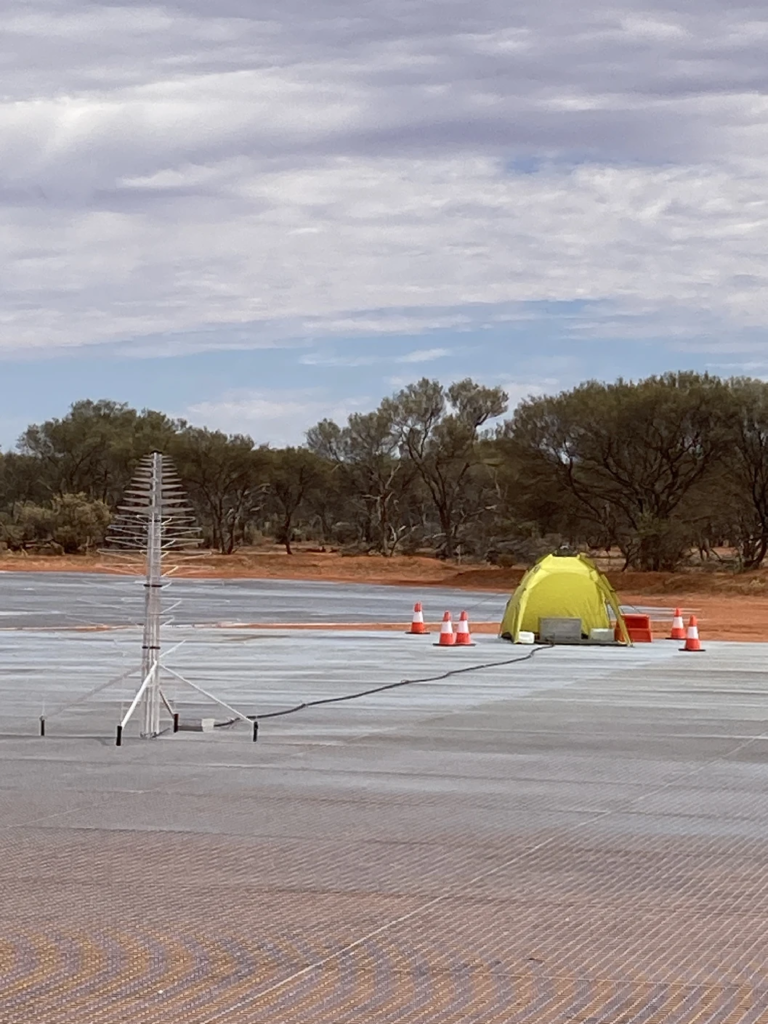
A team led by CSIRO has measured the low-frequency radio sky as significantly brighter than the standard reference model used across radio astronomy. Observations taken at Inyarrimanha Ilgari Bundara, the CSIRO Murchison Radio-astronomy Observatory in Western Australia show that sky…
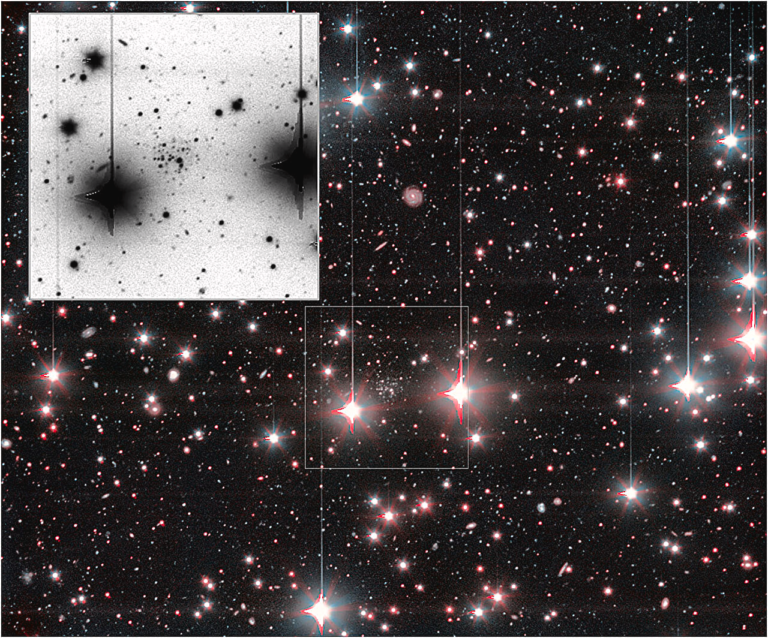
Astronomers have confirmed a new dwarf galaxy orbiting Andromeda (M31), built from as few as 46 detectable stars and estimated to be 12.5 billion years old. Designated Andromeda XXXVI, the object sits at a projected distance of roughly 119 kiloparsecs…
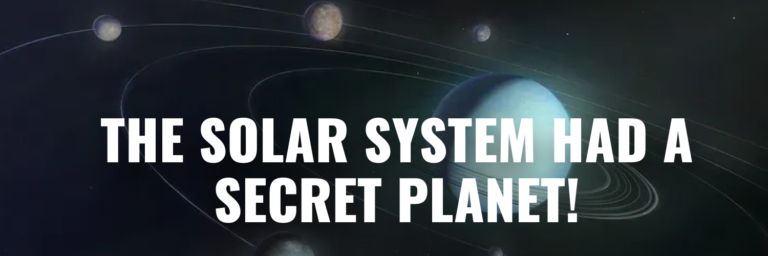
For decades, astronomers have suspected that our Solar System may not have always looked the way it does today. The giant planets—Jupiter, Saturn, Uranus, and Neptune—likely formed much closer together before gradually migrating to their current positions. Now, new research…