Physical Address
304 North Cardinal St.
Dorchester Center, MA 02124
Physical Address
304 North Cardinal St.
Dorchester Center, MA 02124

The research behind the headlines. Peer-reviewed findings, explained without the jargon.
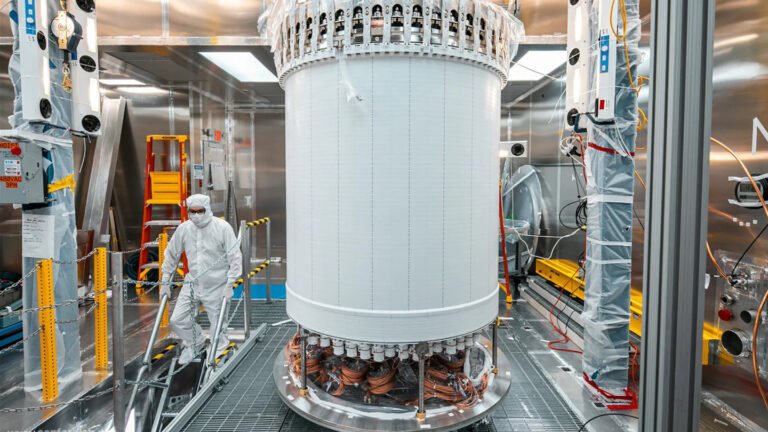
The LUX-ZEPLIN experiment recorded one 248 keV nuclear recoil event at 2.6-sigma significance in its South Dakota xenon detector, its most compelling dark matter hint yet.
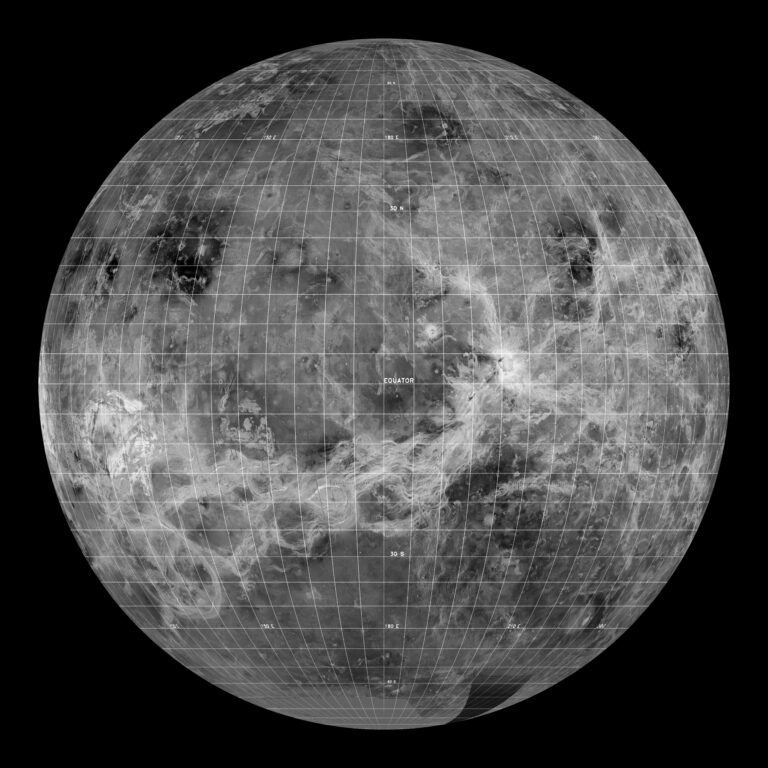
UC Riverside astrophysicist Stephen Kane found Venus appears to rotate 60 times faster than it truly does because astronomers were measuring atmospheric winds, not planetary rotation.
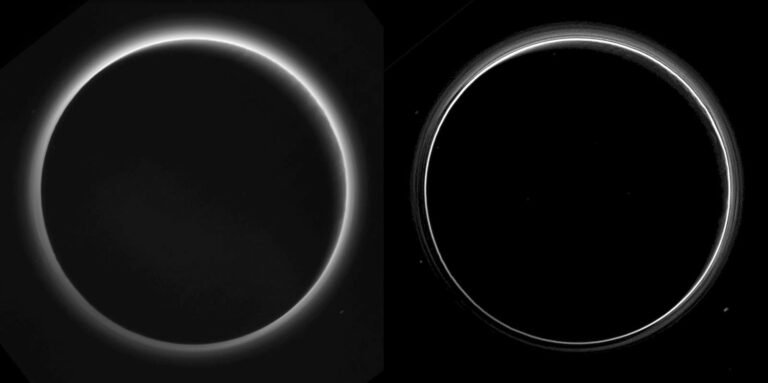
A decade of stellar occultation observations, led by the Planetary Science Institute, show Pluto's atmospheric pressure has dropped by up to 16 percent since 2021.
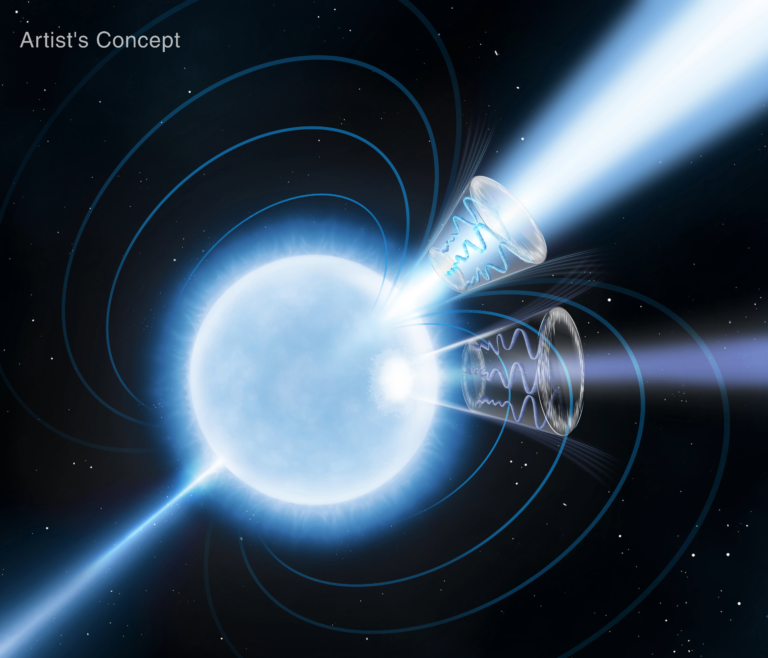
NASA's IXPE and NICER measured X-ray polarization nearly three times higher than similar magnetars, offering astronomers the most definitive evidence yet for a 90-year-old quantum prediction.
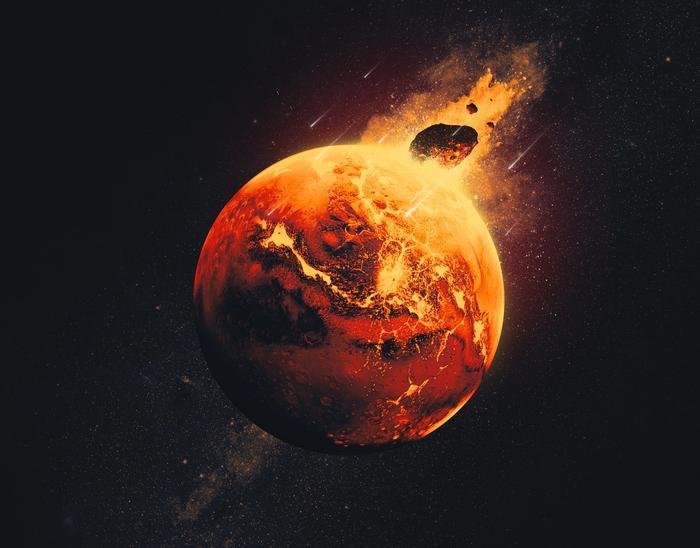
Boston College researchers determined that Martian meteorite Northwest Africa 13441 crystallized 1.273 billion years ago, filling a long-standing gap in the shergottite meteorite age record.
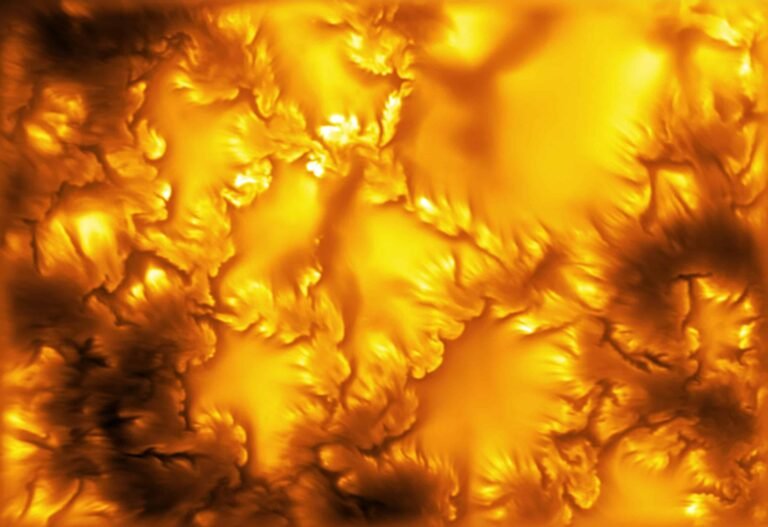
The NSF Daniel K. Inouye Solar Telescope has captured direct observational evidence of Kelvin-Helmholtz instability on the Sun's photosphere, confirming a process theorized since 1870.
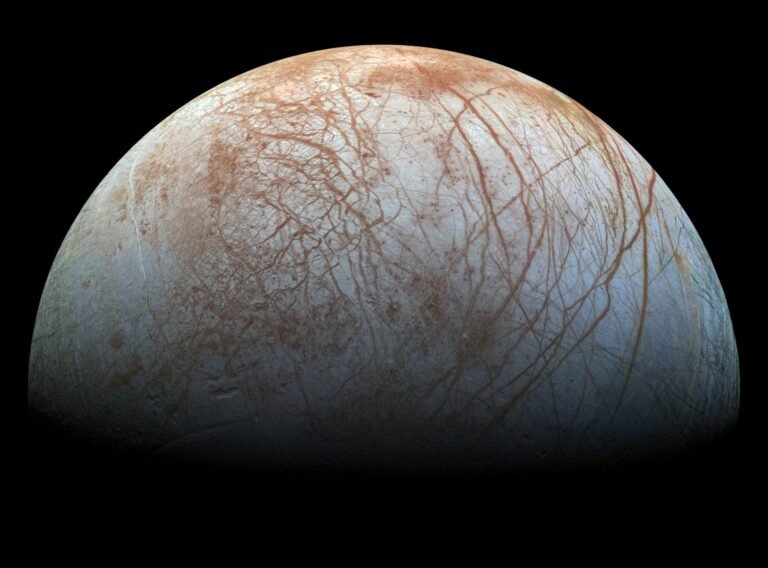
Rutgers-led simulations show turbulence would freeze water rising through Europa's ice shell within hours, complicating the search for shallow, potentially habitable reservoirs near the surface.
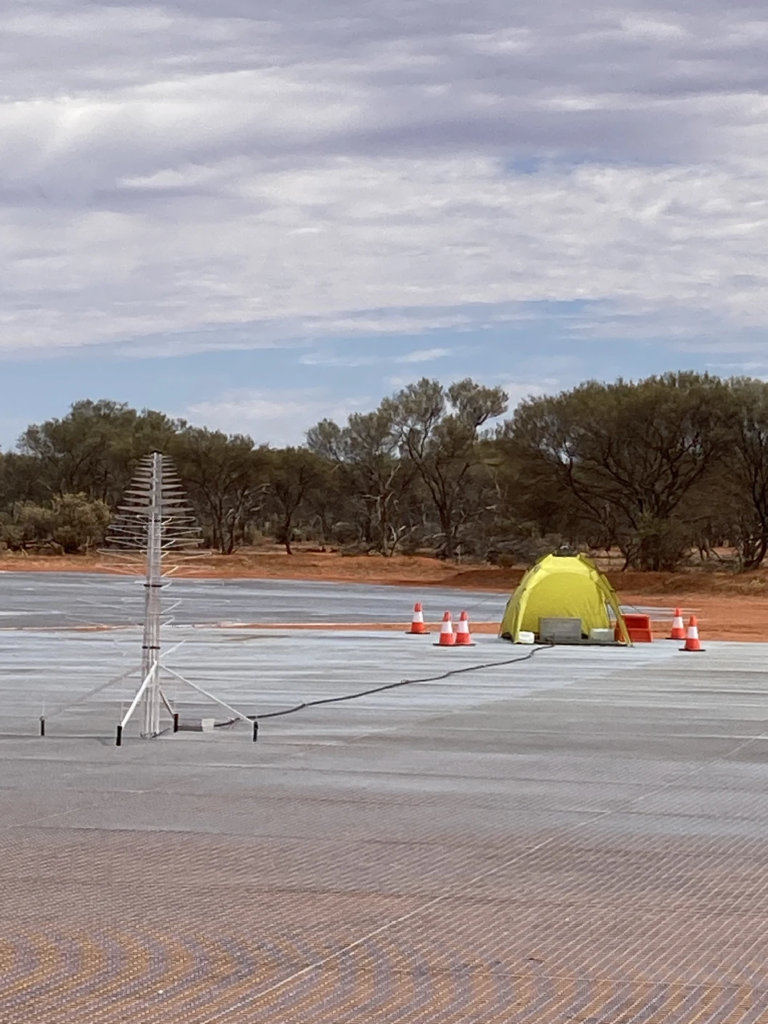
A team led by CSIRO has measured the low-frequency radio sky as significantly brighter than the standard reference model used across radio astronomy. Observations taken at Inyarrimanha Ilgari Bundara, the CSIRO Murchison Radio-astronomy Observatory in Western Australia show that sky…
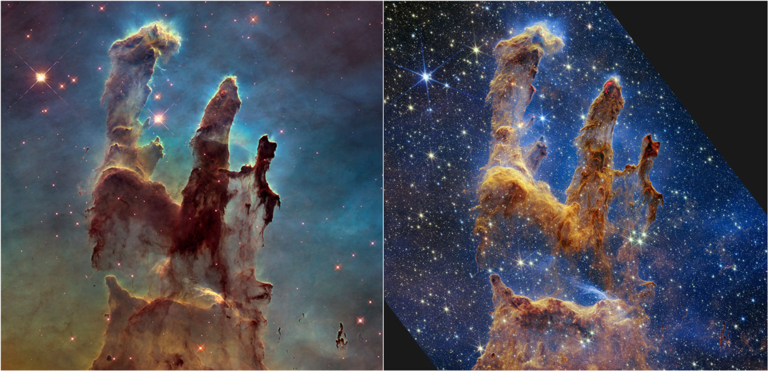
Located 6,500 light-years from Earth within the Eagle Nebula (M16), these towering tendrils of interstellar gas and dust are arguably the most famous structures in the cosmos. When comparing the James Webb vs Hubble Pillars of Creation images, the staggering…
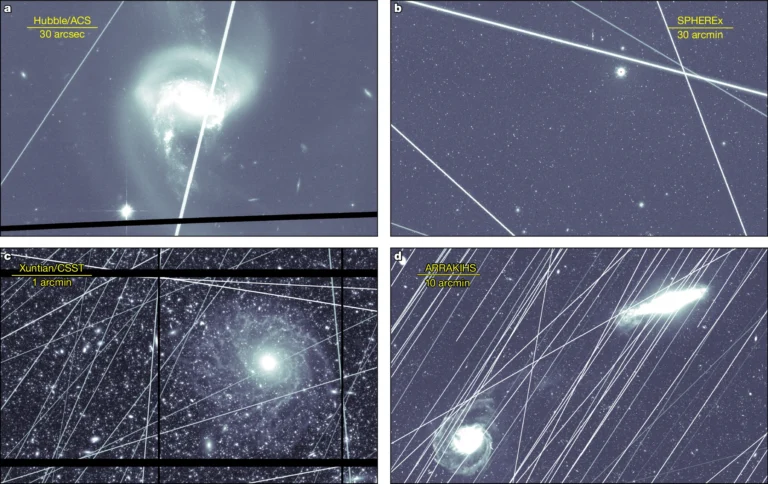
A Growing Problem for Astronomy: Bright Satellite Trails in Space-Based Images A new peer-reviewed study published in Nature warns that rapidly expanding satellite megaconstellations pose a major and escalating threat—not just to ground-based observatories, but to space telescopes in Low…