Physical Address
304 North Cardinal St.
Dorchester Center, MA 02124
Physical Address
304 North Cardinal St.
Dorchester Center, MA 02124

From black holes to galaxy clusters — the science of what exists beyond our solar system, sourced from the latest peer-reviewed research.
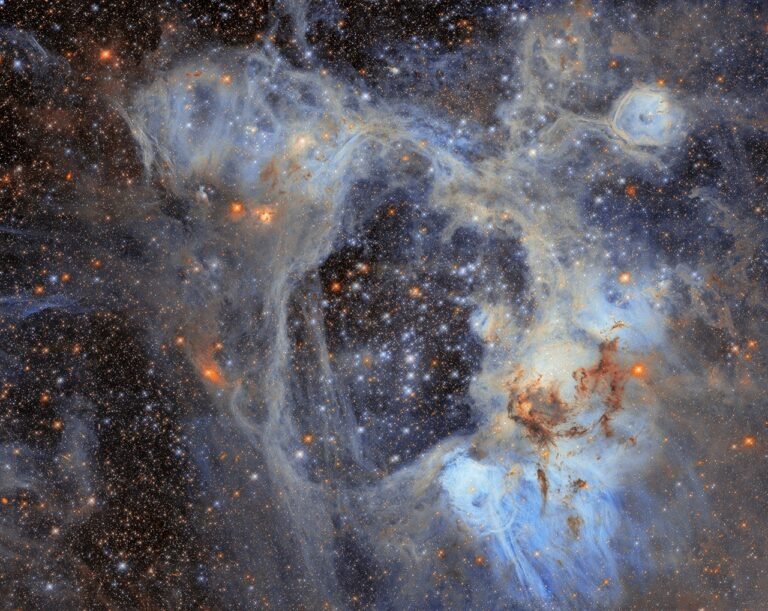
NASA's Hubble Space Telescope imaged the N44 nebula in the Large Magellanic Cloud, revealing a superbubble spanning roughly 210 by 140 light-years across, carved by massive stars.
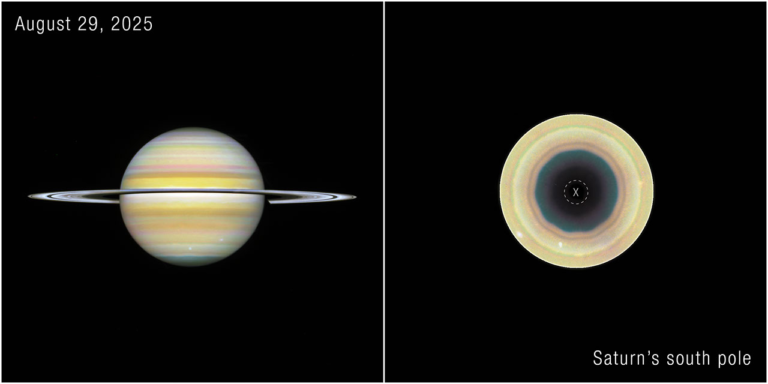
NASA's Hubble Space Telescope has detected a new 10-sided atmospheric wave encircling Saturn's south pole, the first such jet pattern seen in the planet's southern hemisphere.
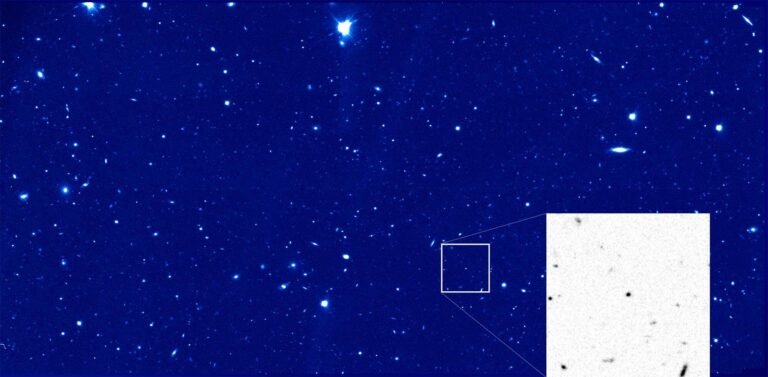
Archival Subaru Telescope images showed comet 28P/Neujmin brightening near opposition the way a high-reflectance asteroid would, despite having the surface color of a dark, low-reflectance one.
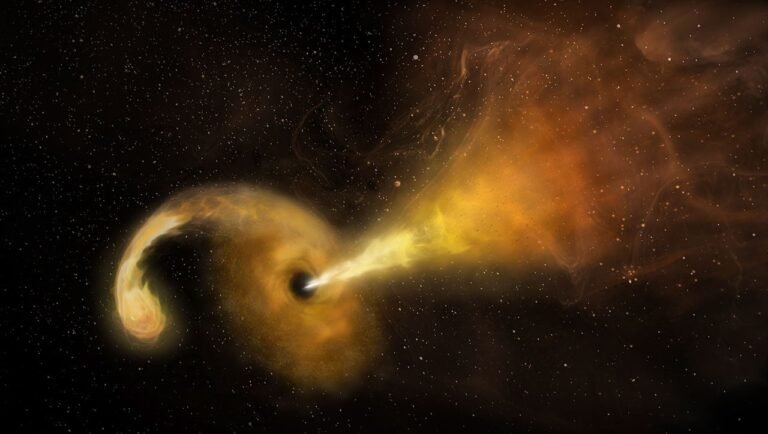
NASA's Swift Observatory confirmed a supermassive black hole shredding a star 30,000 light-years from its host galaxy's core, the most distant such event yet found.
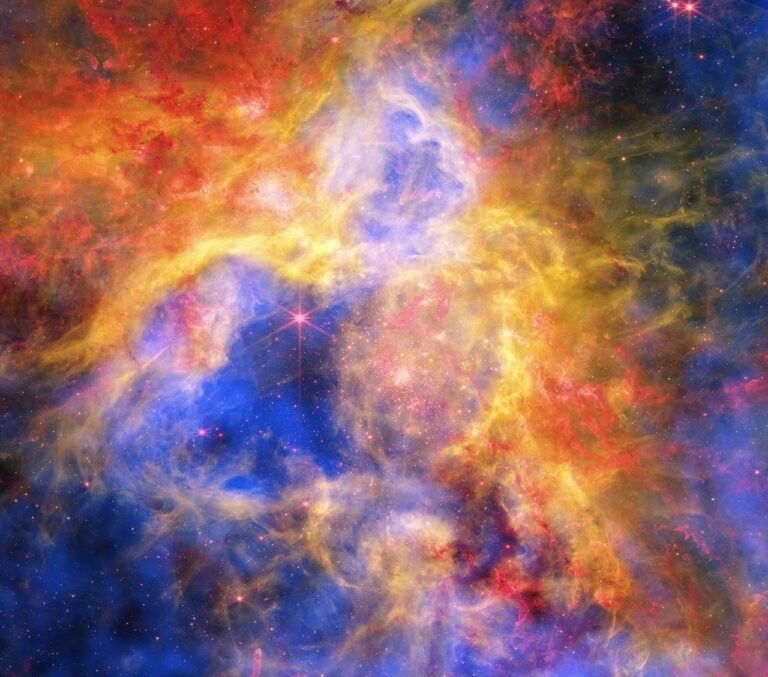
A four-telescope composite of the Tarantula Nebula reveals up to half its hot gas is leaking out through the star-forming region's shell walls.
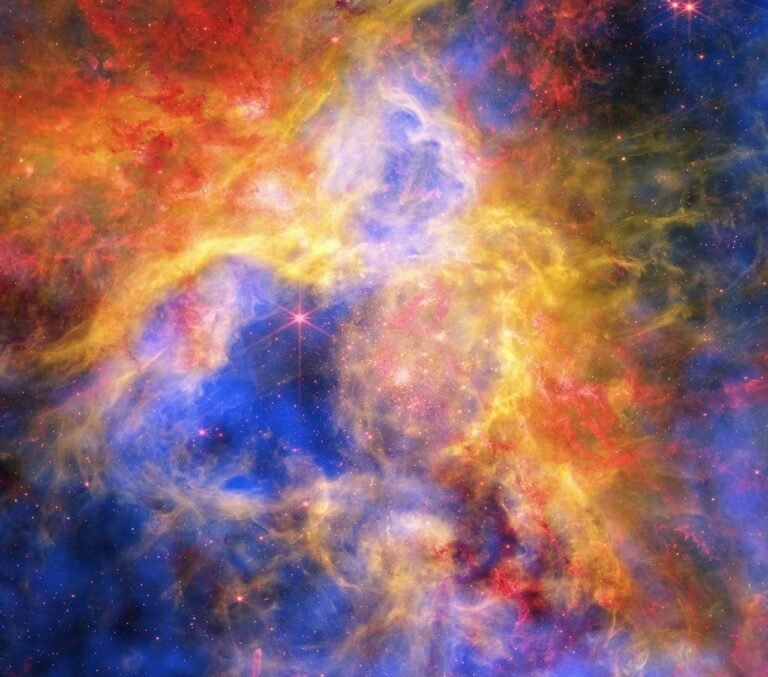
A new Chandra, Webb, and Hubble composite of the Tarantula Nebula helped astronomers determine that up to half its hot, stellar-wind-heated gas is escaping undetected.
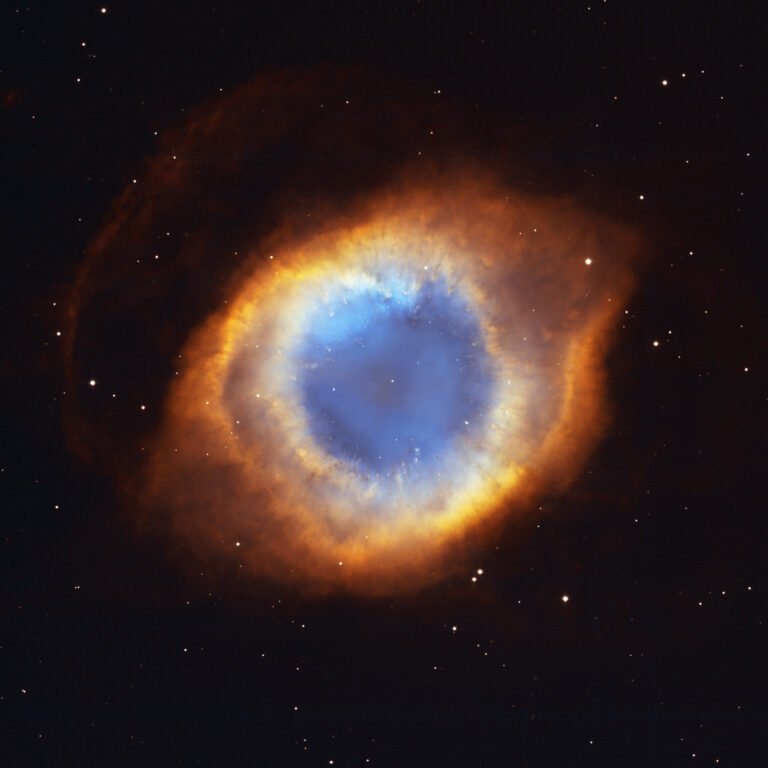
A Yale-led team using the new MOTHRA telescope found 22 bow shocks in the Helix Nebula's outer halo, capturing dying-star debris being broken apart in real time.
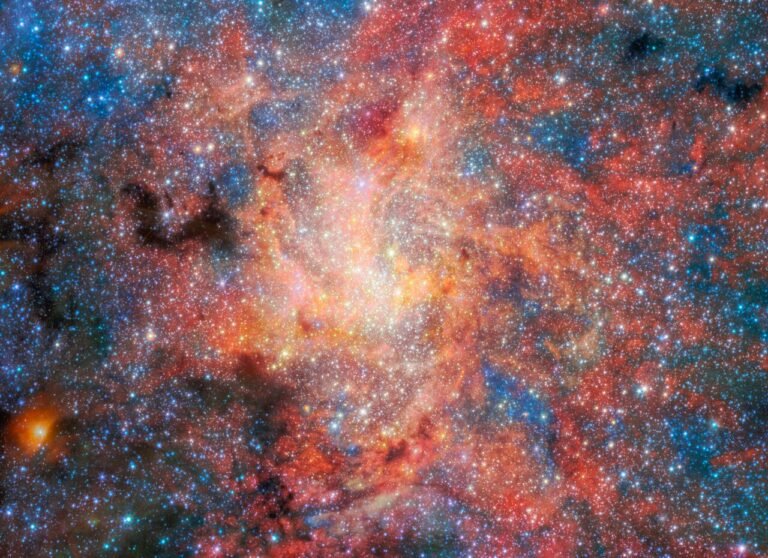
The James Webb Space Telescope detected dust and water forming around the aging star IRS 3, located just 0.55 light-years from the Milky Way's central black hole.
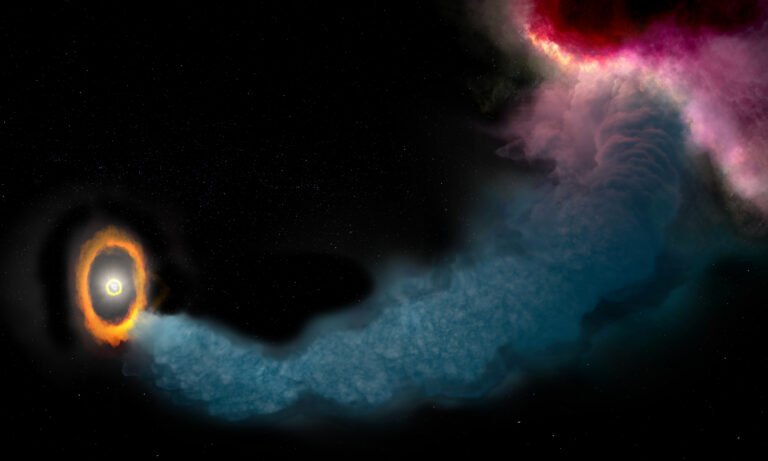
ALMA observations show a 1-trillion-mile gas streamer feeding GW Orionis is aligned with the tilted outer ring of its planet-forming disk, University of Florida astronomers report.
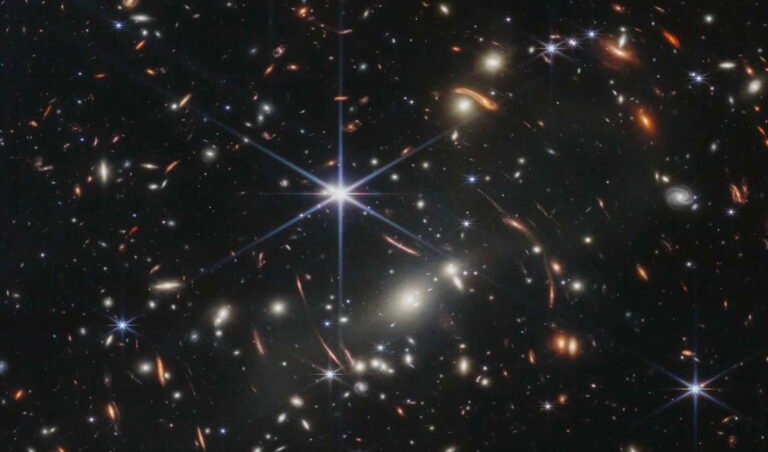
An independent search of archival JWST imaging uncovered a previously uncatalogued gravitational arc in the massive cluster MACS J0308.9+2645, now under review for publication in a Japanese journal.