Tag: orbitgeo
-
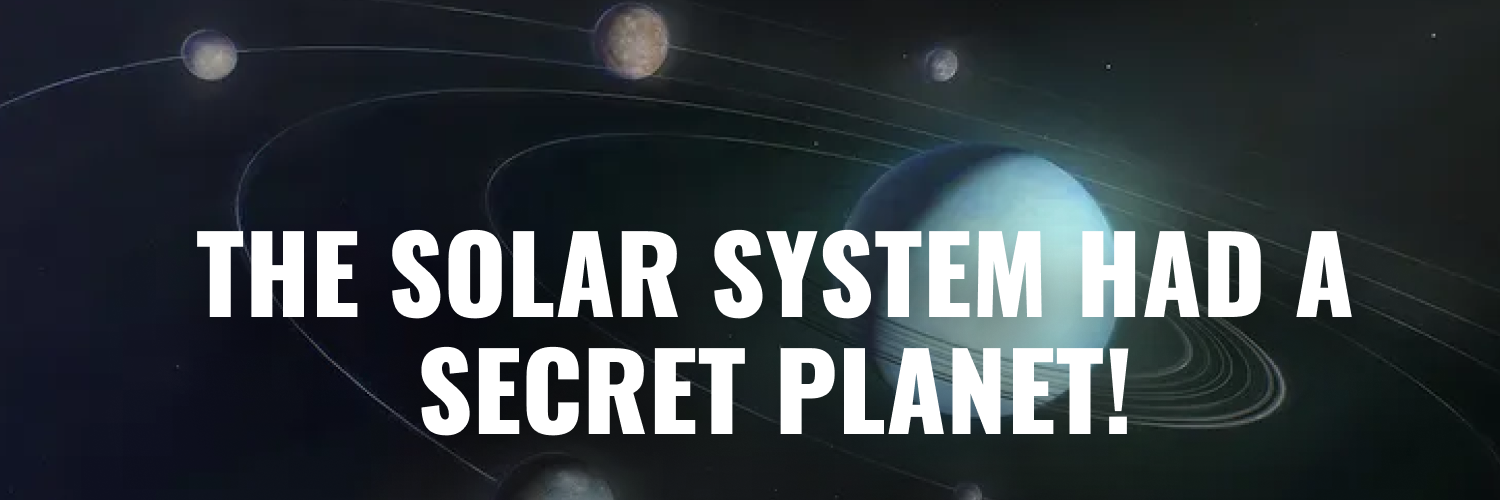
A Lost Planet May Have Saved Jupiter and Uranus’s Moons
For decades, astronomers have suspected that our Solar System may not have always looked the way it does today. The giant planets—Jupiter, Saturn, Uranus, and Neptune—likely formed much closer together before gradually migrating to their current positions. Now, new research suggests that an additional giant planet may once have been part of the Solar System.…
Written by
-
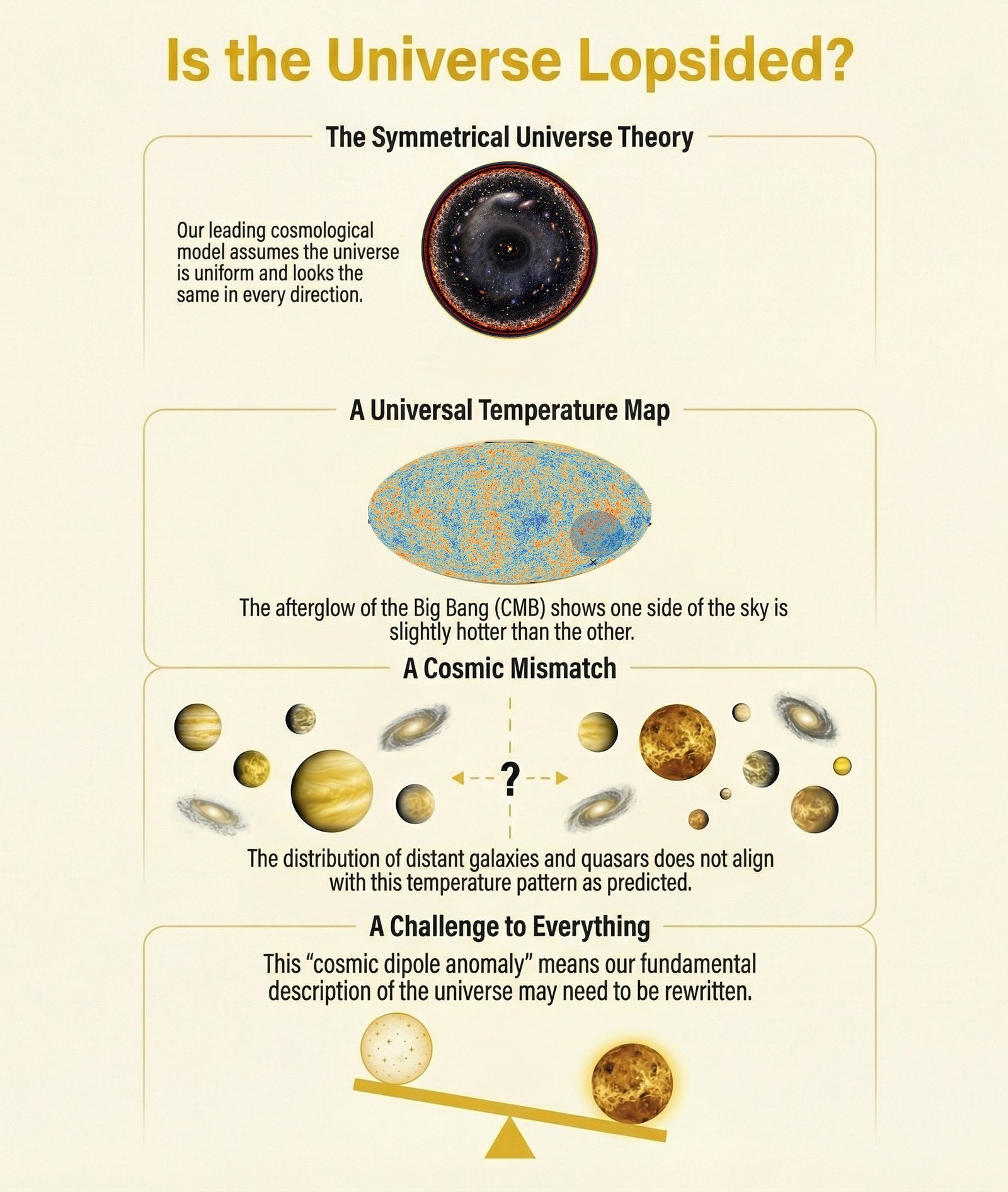
Is the Universe Lopsided? How the Cosmic Dipole Anomaly Challenges Modern Cosmology
New theoretical and observational research suggests the universe may not be perfectly symmetric after all. A growing body of evidence points to a phenomenon known as the cosmic dipole anomaly, which implies that the large-scale universe may be slightly lopsided rather than uniform in all directions. This challenges a core assumption underlying modern cosmology and…
Written by
-
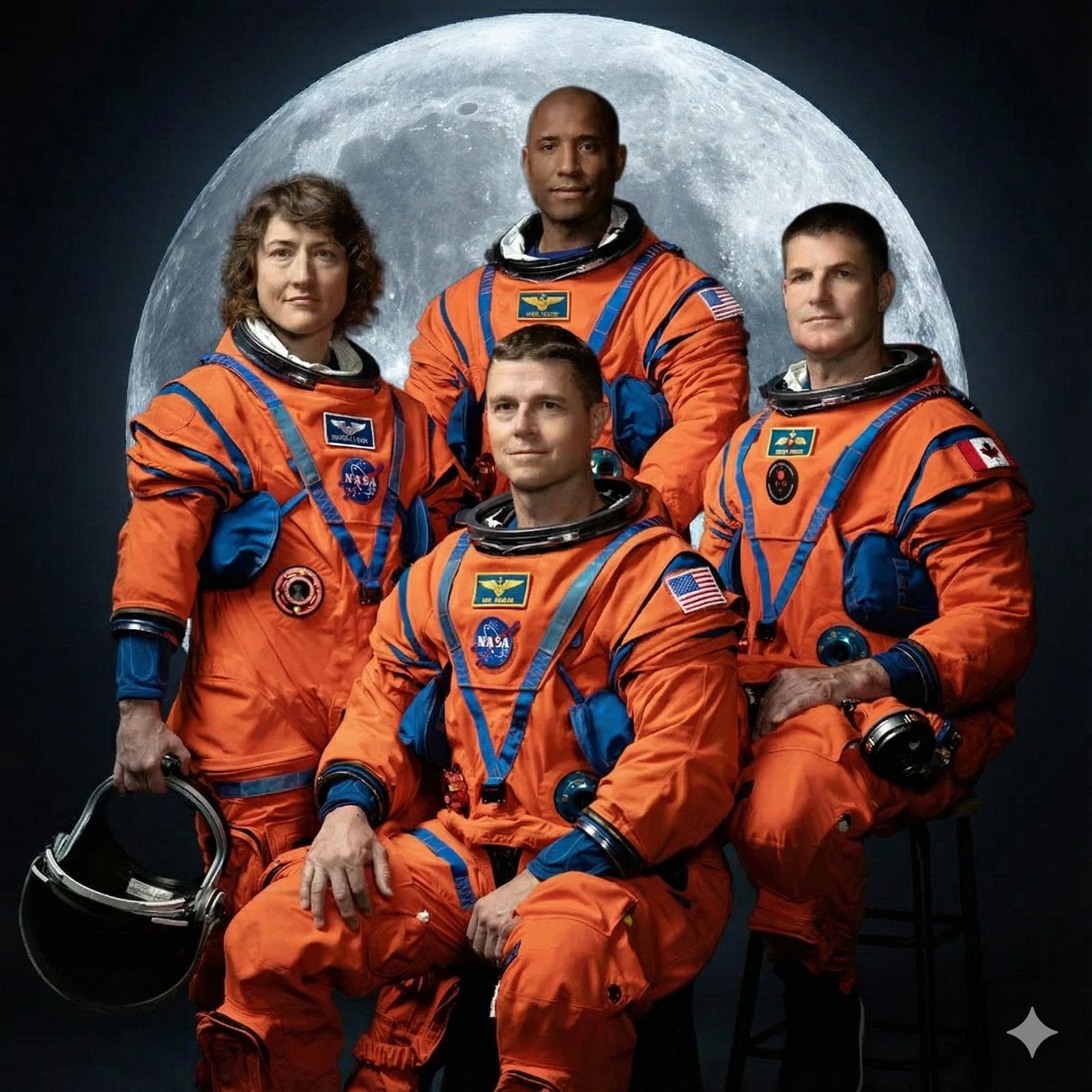
2026: Artemis 2 and Humanity’s First Crewed Return to Lunar Space
In 2026, humanity will return to lunar space with NASA’s Artemis 2 mission, the first crewed journey beyond low Earth orbit since Apollo 17 in 1972. The ten-day flight will send four astronauts aboard the Orion spacecraft on a free-return trajectory around the Moon, validating systems needed for sustained human exploration. This mission matters because…
Written by
-
James Webb Cosmic Noon Black Hole: Found in a Well-Studied Region of Early Universe
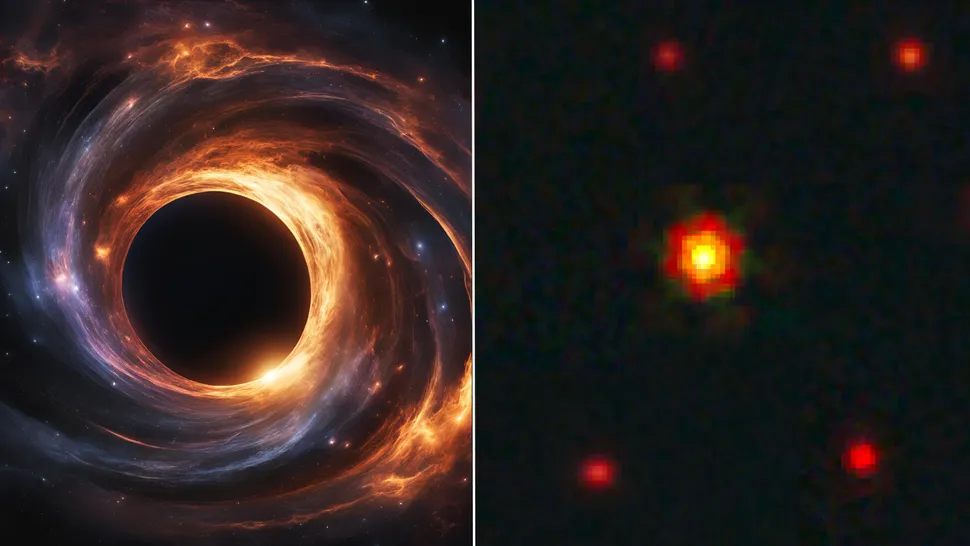
The James Webb Space Telescope has identified a rapidly growing supermassive black hole dating back to an era known as cosmic noon, roughly four billion years after the Big Bang. Nicknamed BiRD (Big Red Dot), the object belongs to a newly recognized class of compact infrared sources revealed only by Webb’s sensitivity. The finding helps…
Written by
-
Satellite Megaconstellations Are Becoming a Serious Threat to Space Telescopes, Study Finds
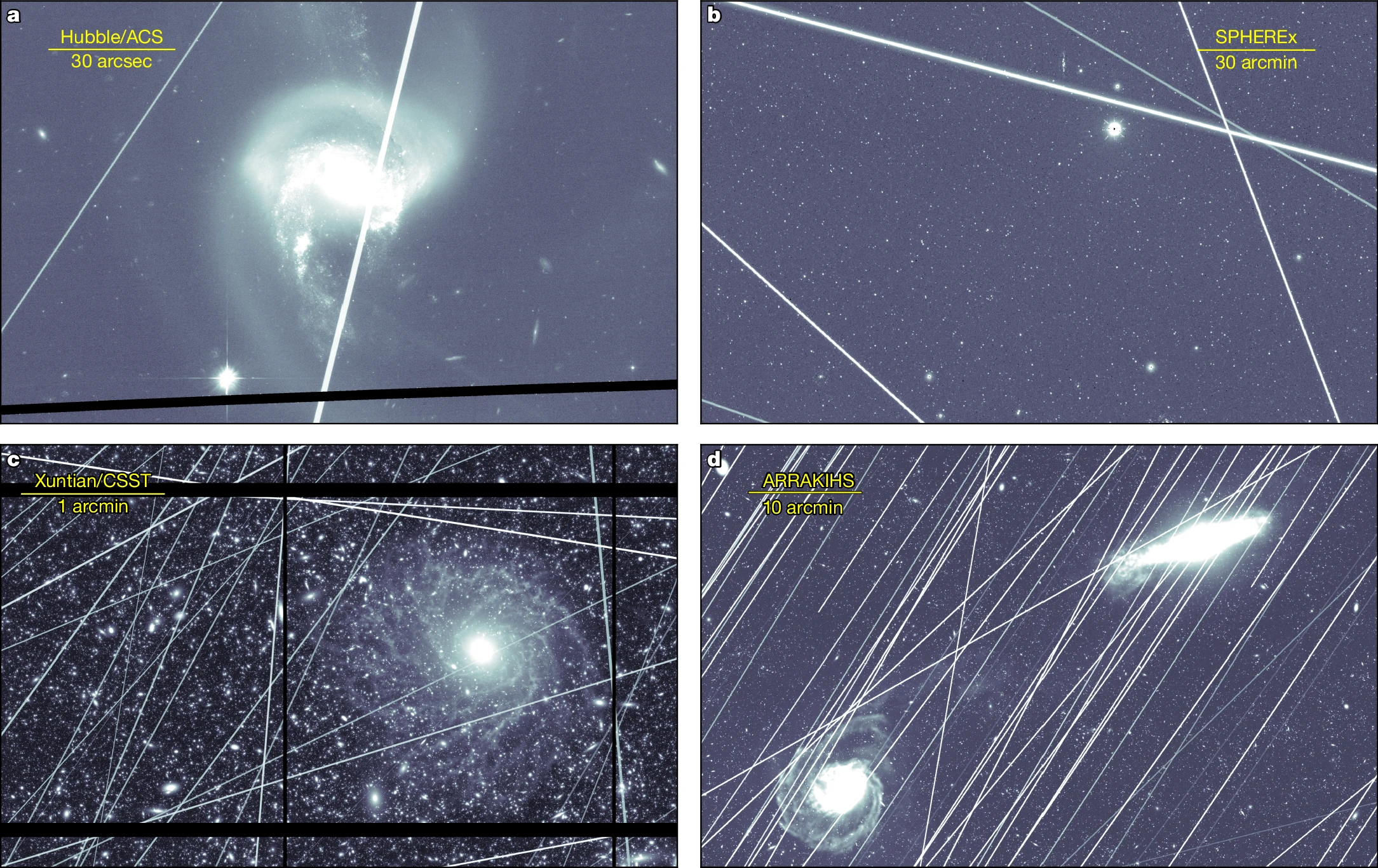
A Growing Problem for Astronomy: Bright Satellite Trails in Space-Based Images A new peer-reviewed study published in Nature warns that rapidly expanding satellite megaconstellations pose a major and escalating threat—not just to ground-based observatories, but to space telescopes in Low Earth Orbit (LEO). Reflections from satellites already show up as bright streaks across astronomical exposures,…
Written by
-
What’s Up: December 2025 Skywatching Tips
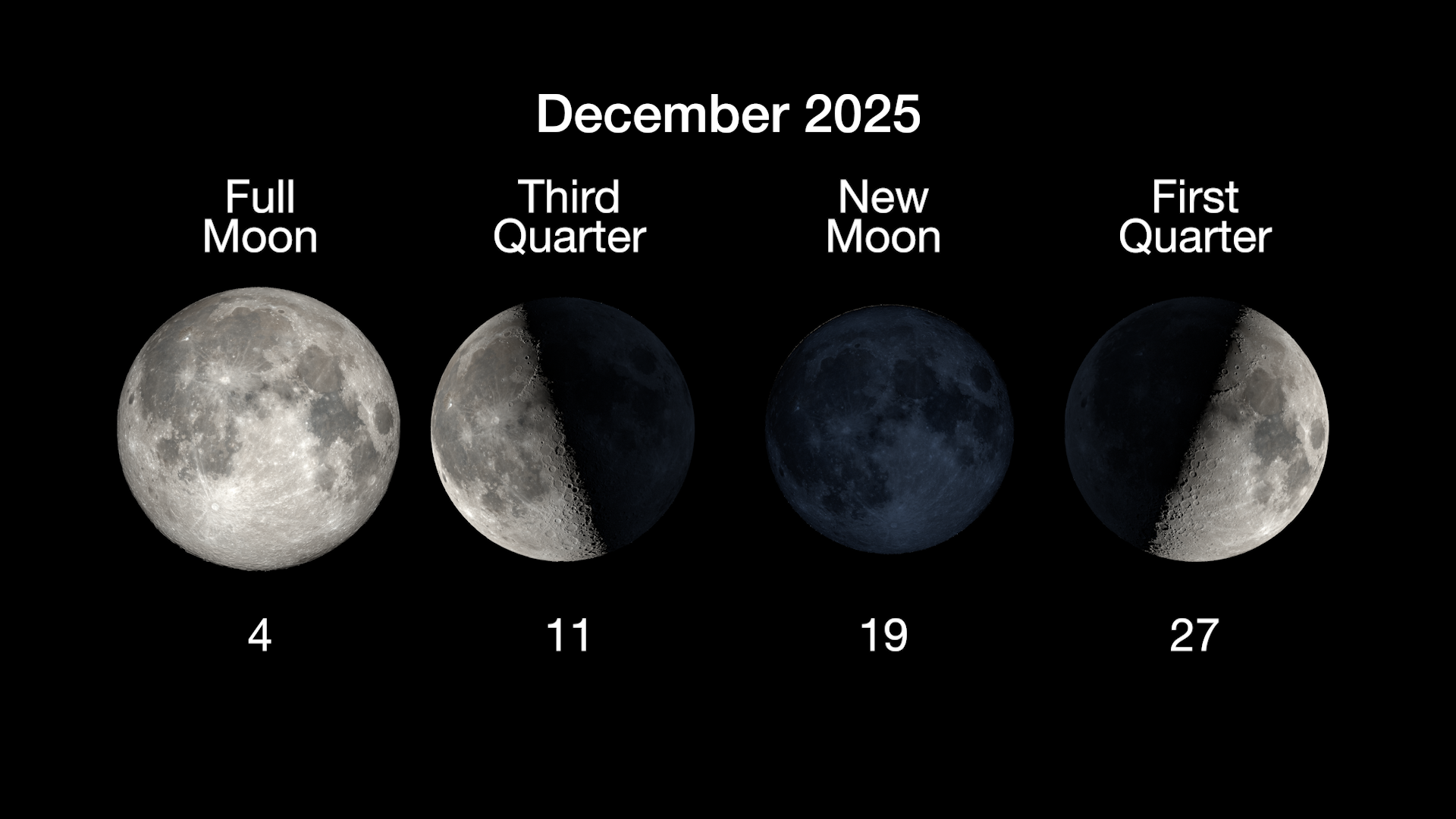
Overview: A Big Month for Skywatchers December 2025 brings three major celestial events: These events offer some of the best opportunities of the year for backyard observers and telescope users alike. Comet 3I/ATLAS Makes Its Closest Approach — Dec 19 Comet 3I/ATLAS—only the third confirmed interstellar object ever discovered in our solar system—reaches its closest…
Written by
-
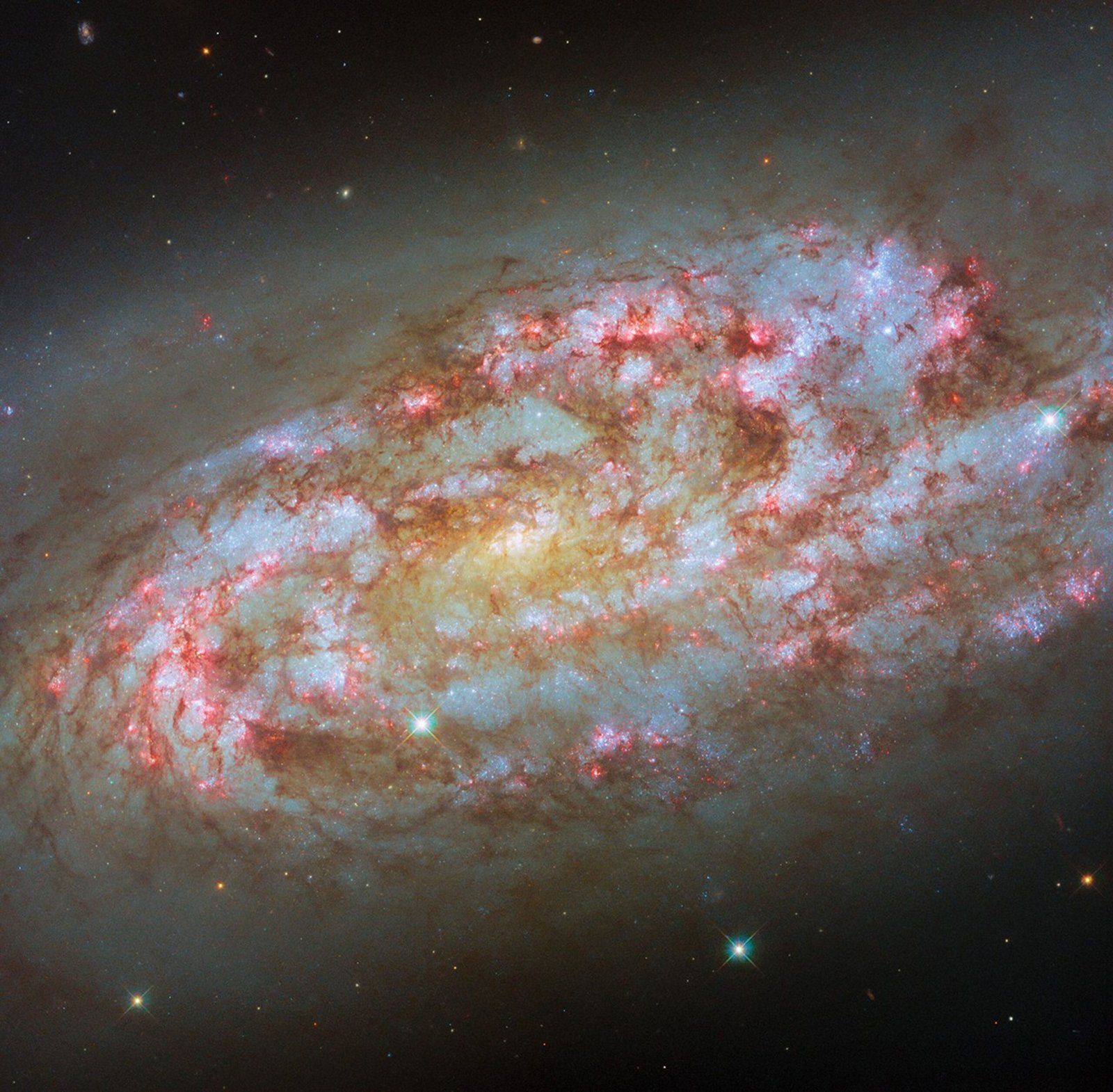
Hubble Spots a Storm of New Stars: Inside a Turbulent Starburst Galaxy
A Dramatic Hubble View of NGC 1792 A tilted spiral galaxy fills the scene with chaotic beauty—patchy arms, bright blue star clusters, glowing red nebulae, and thick dust lanes winding through the disc. Light from NGC 1792 extends into the dark background, where foreground and distant stars scatter across the frame. This NASA/ESA Hubble Space…
Written by